Ongoing show at Espace Alfred Latour
ALFRED LATOUR’S STUDIO
IN THE FOOTSTEPS OF WERNER JEKER
– A PLAYFUL TRIBUTE
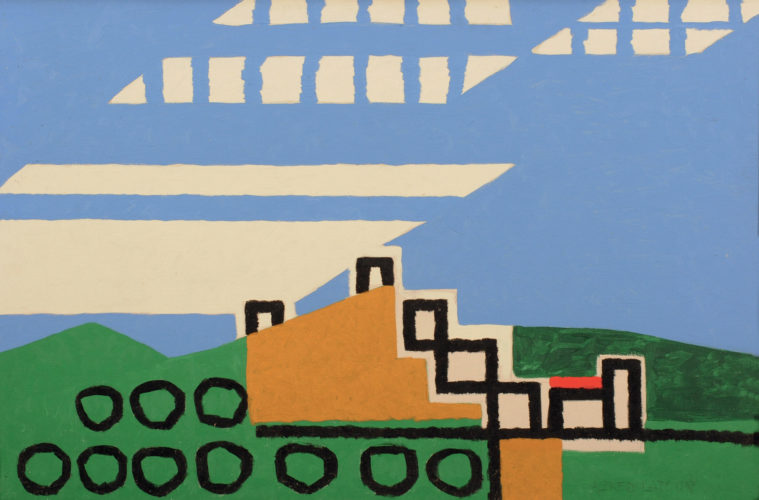
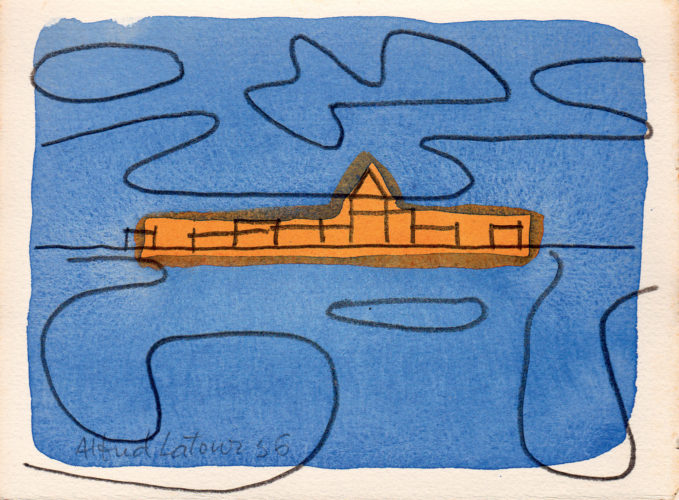
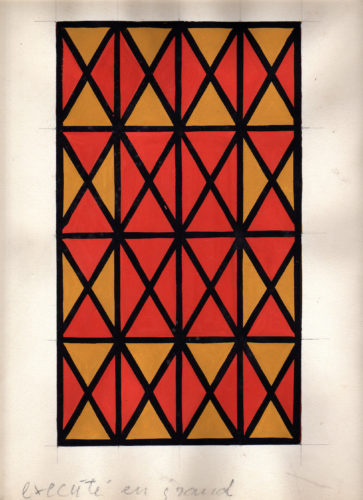
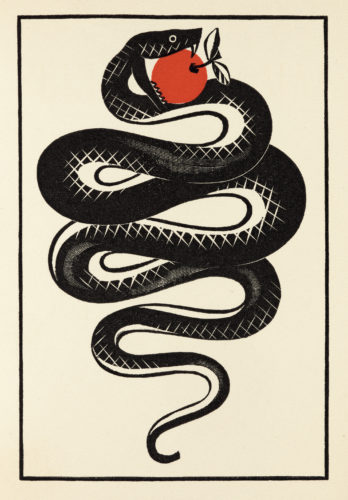
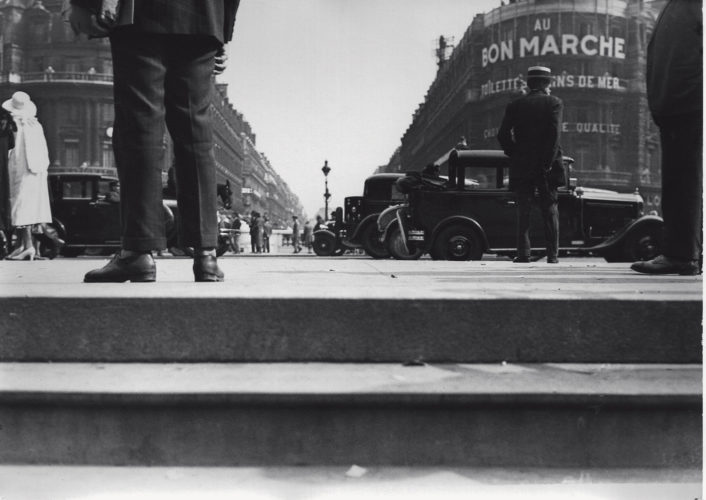
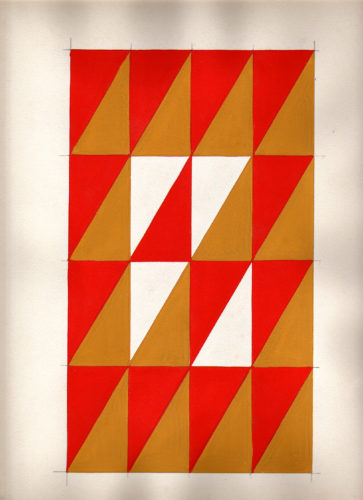
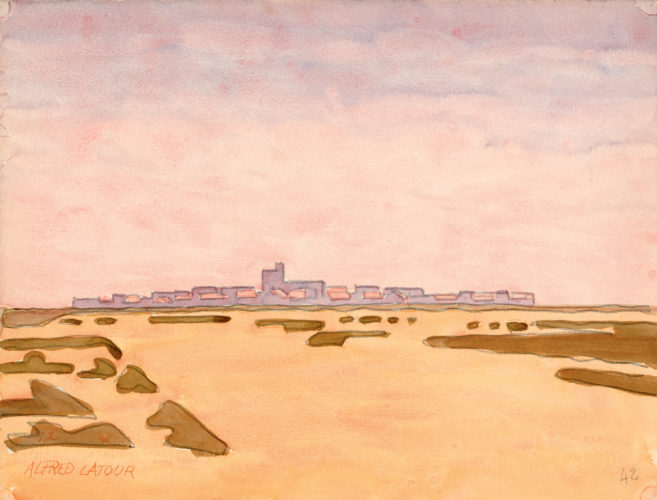
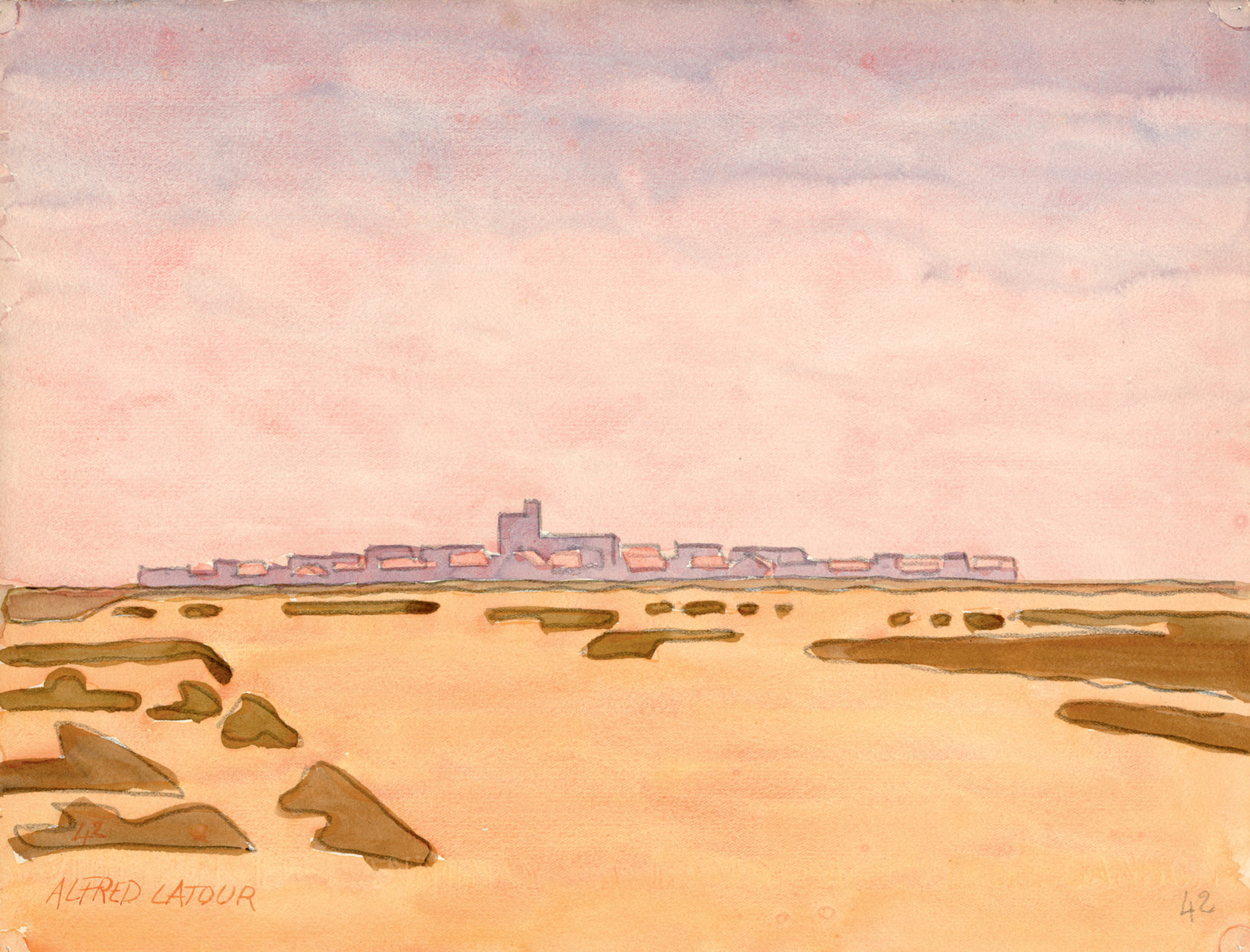
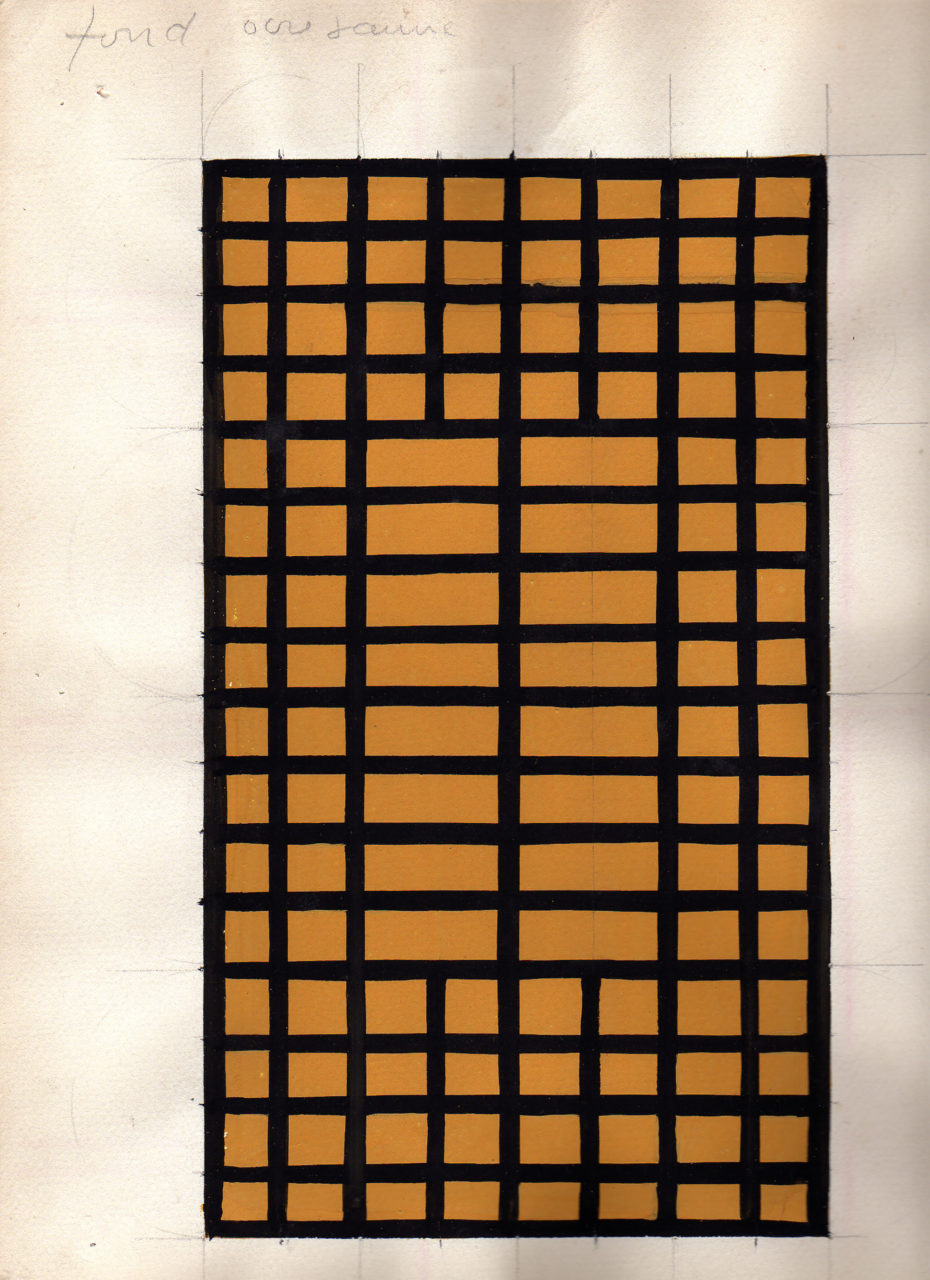
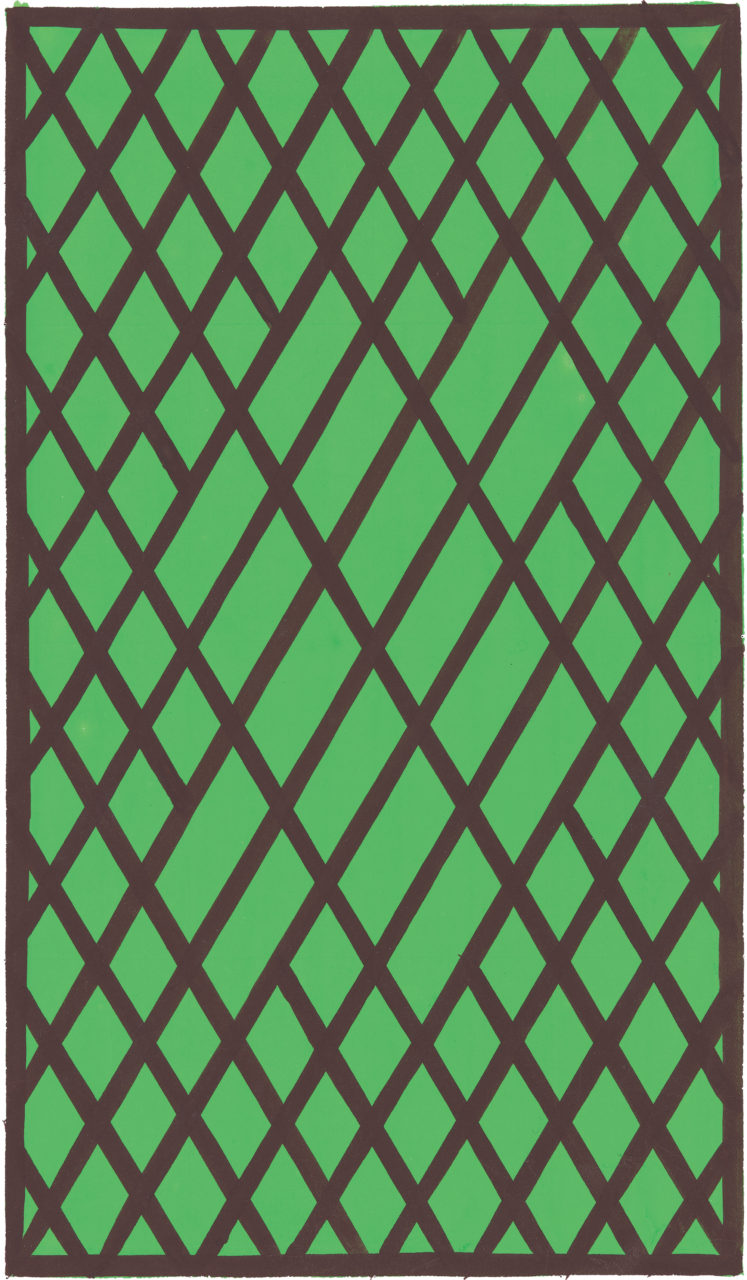
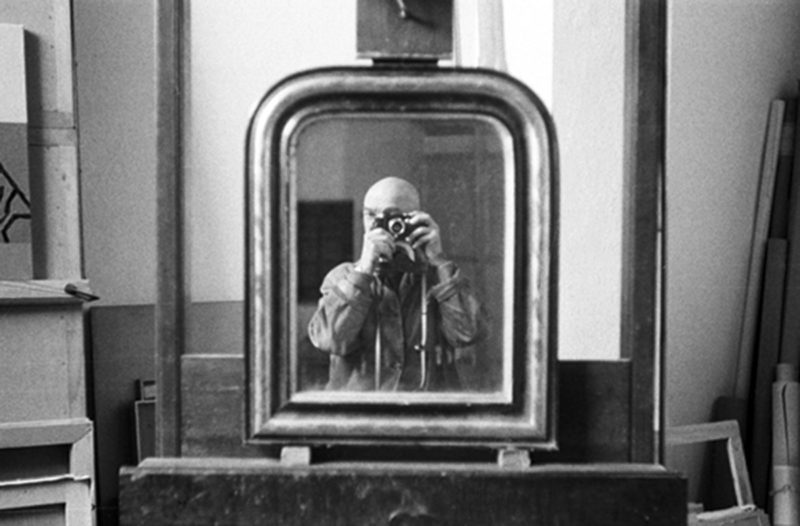
For more than 15 years, Werner Jeker has been exploring the Alfred Latour collection, wandering through the many groups and registers of expression of the artist from Eygalières. He served as artistic director for three books devoted to Latour’s work, all published by Actes Sud. Over the years, he has woven an intimate bond with Latour’s artistic output. Rather remarkably, he has continued a living dialogue with the artist, who passed away in 1964. The investigation Jeker has undertaken led him behind the scenes of the Imprimerie Nationale, where he discovered that Armand Latour, Alfred’s father, had worked. There he understood the roots of a fascination with graphic design and typography. As his research continued, he came across Raoul Dufy, Cassandre, Peignot—figures who shaped Latour’s career, but Jeker’s as well. This attention to the French avant-garde dates back to his early years of training as a graphic designer.
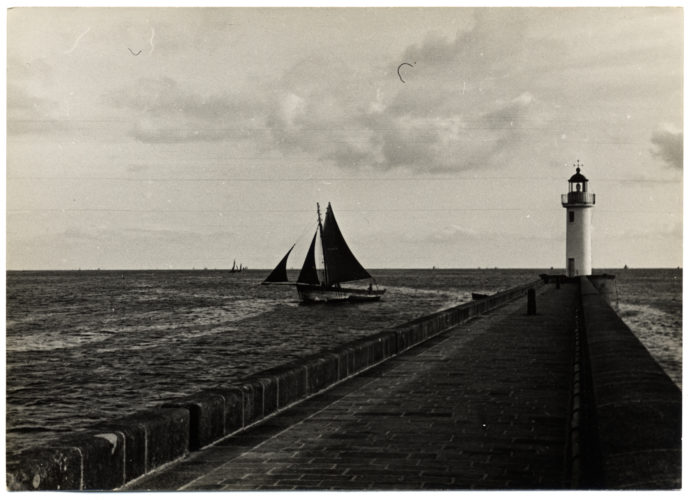
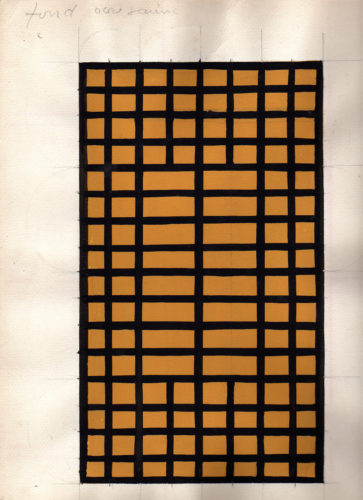
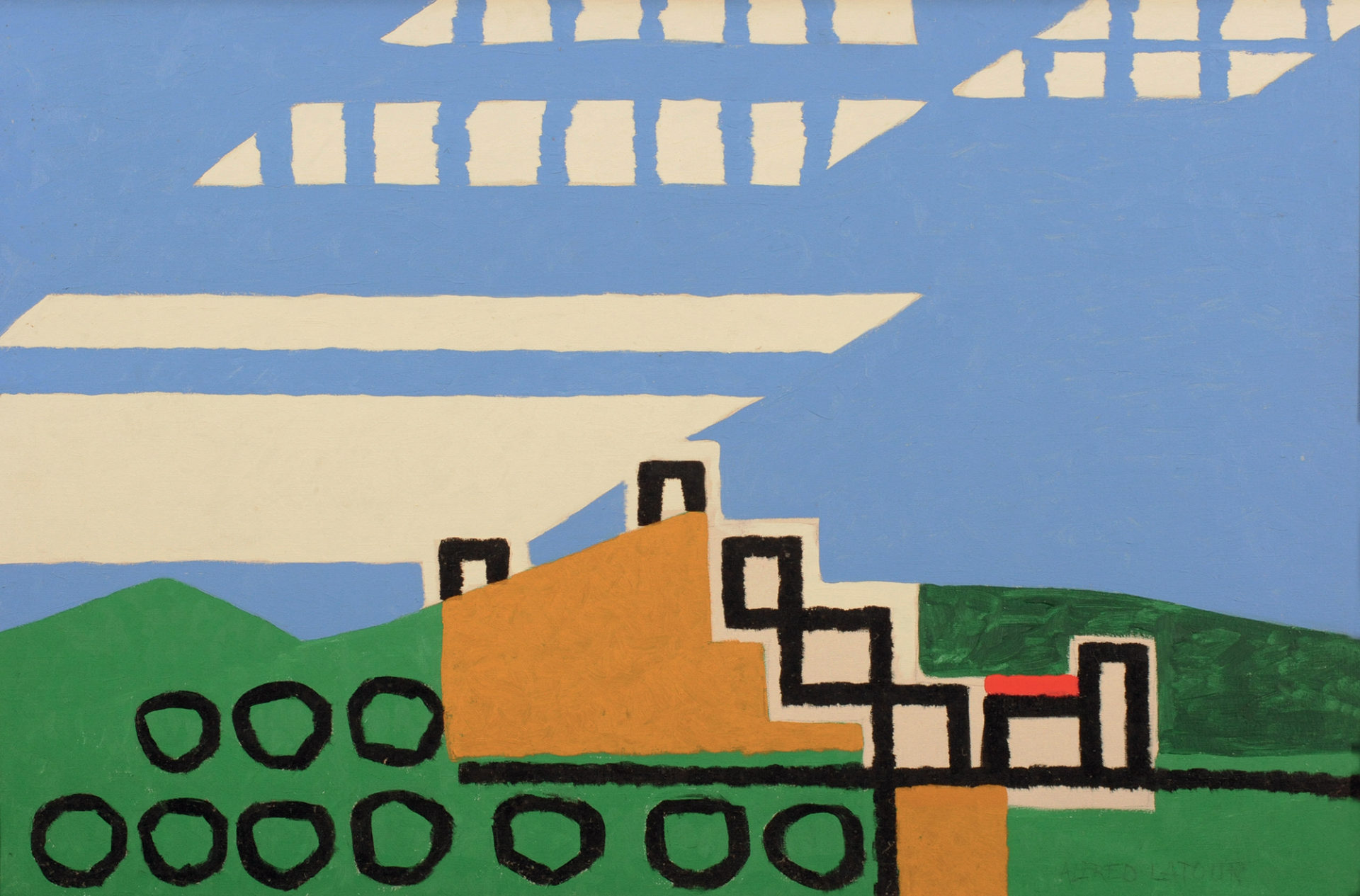
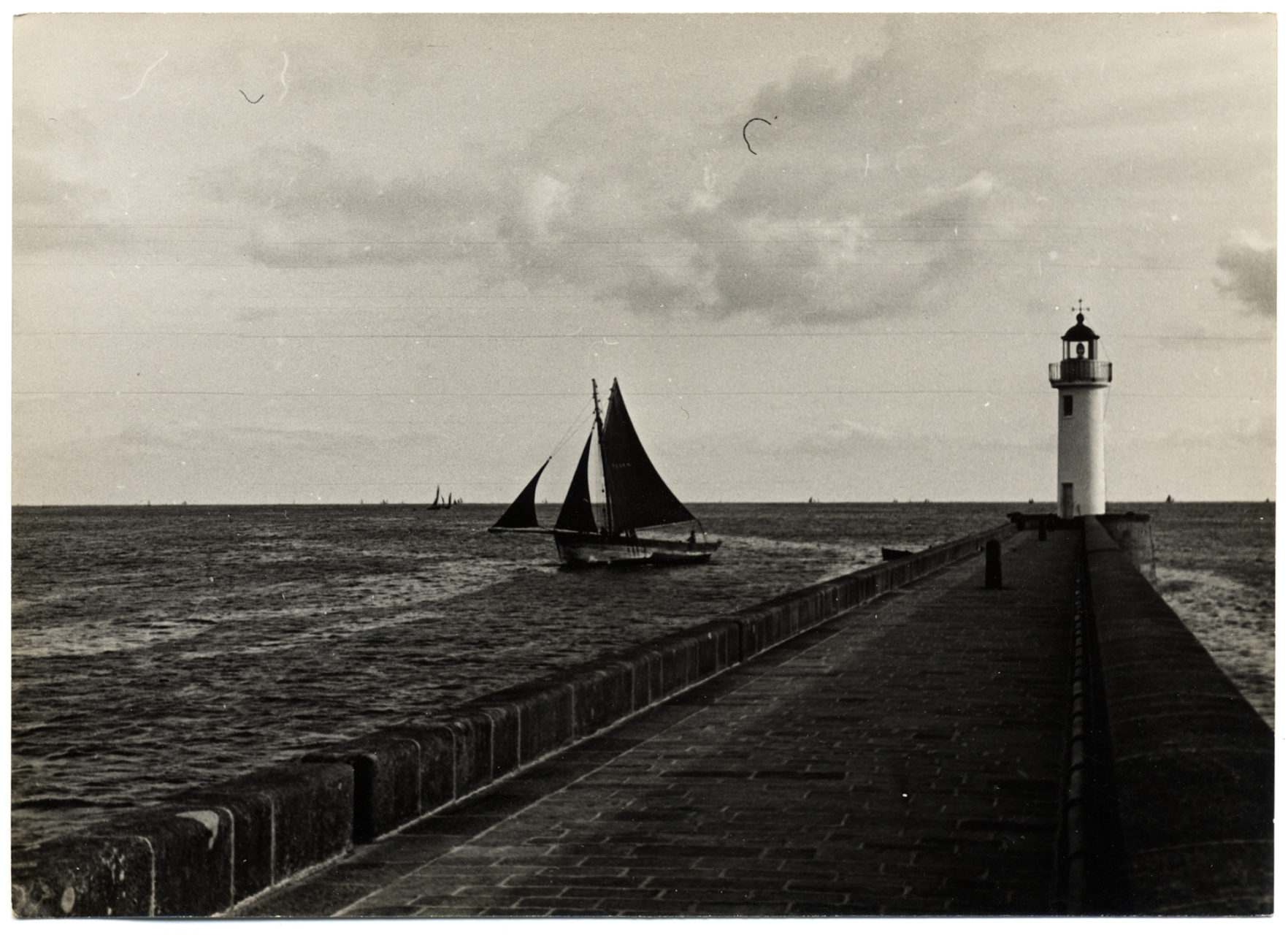
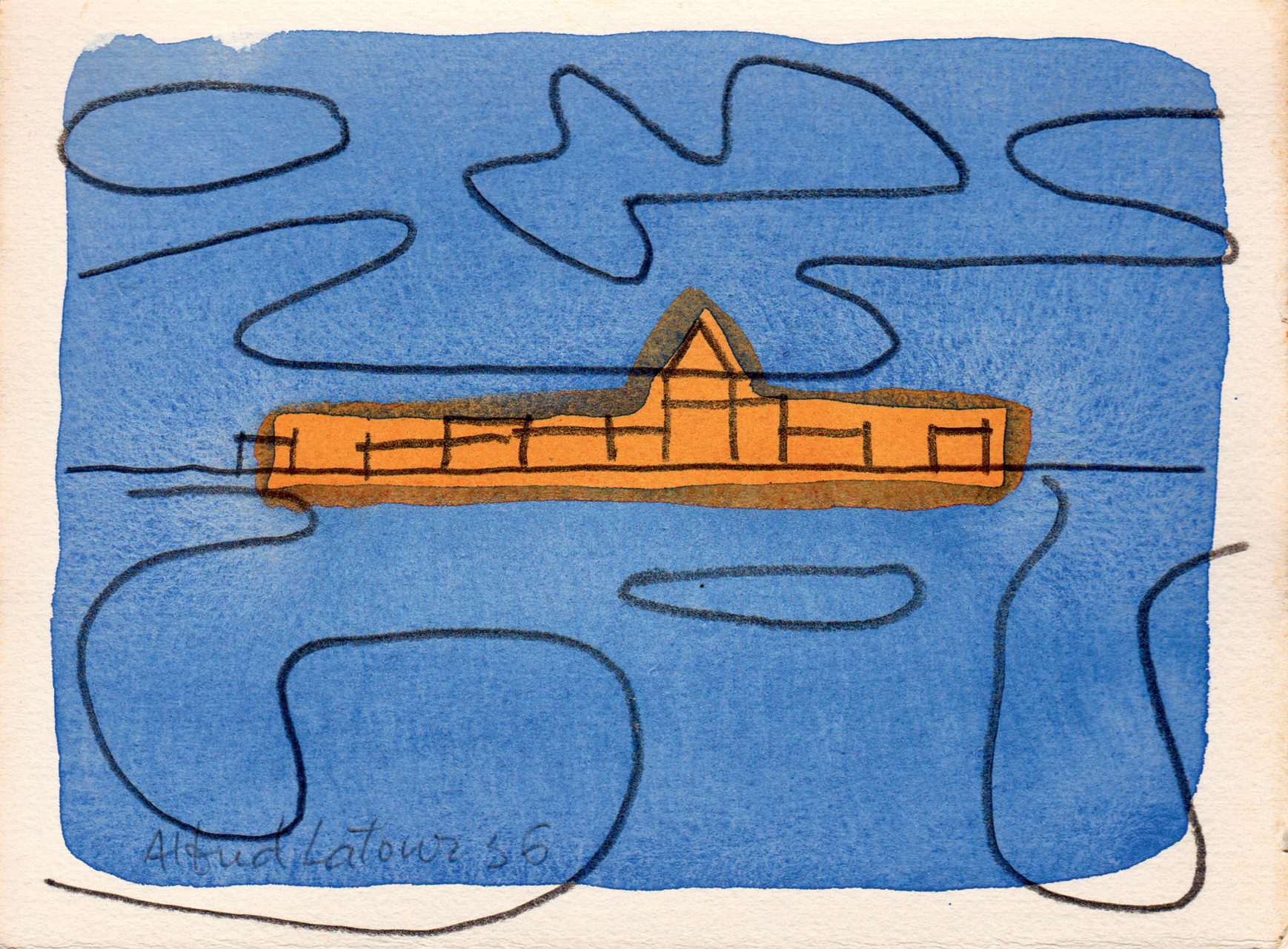
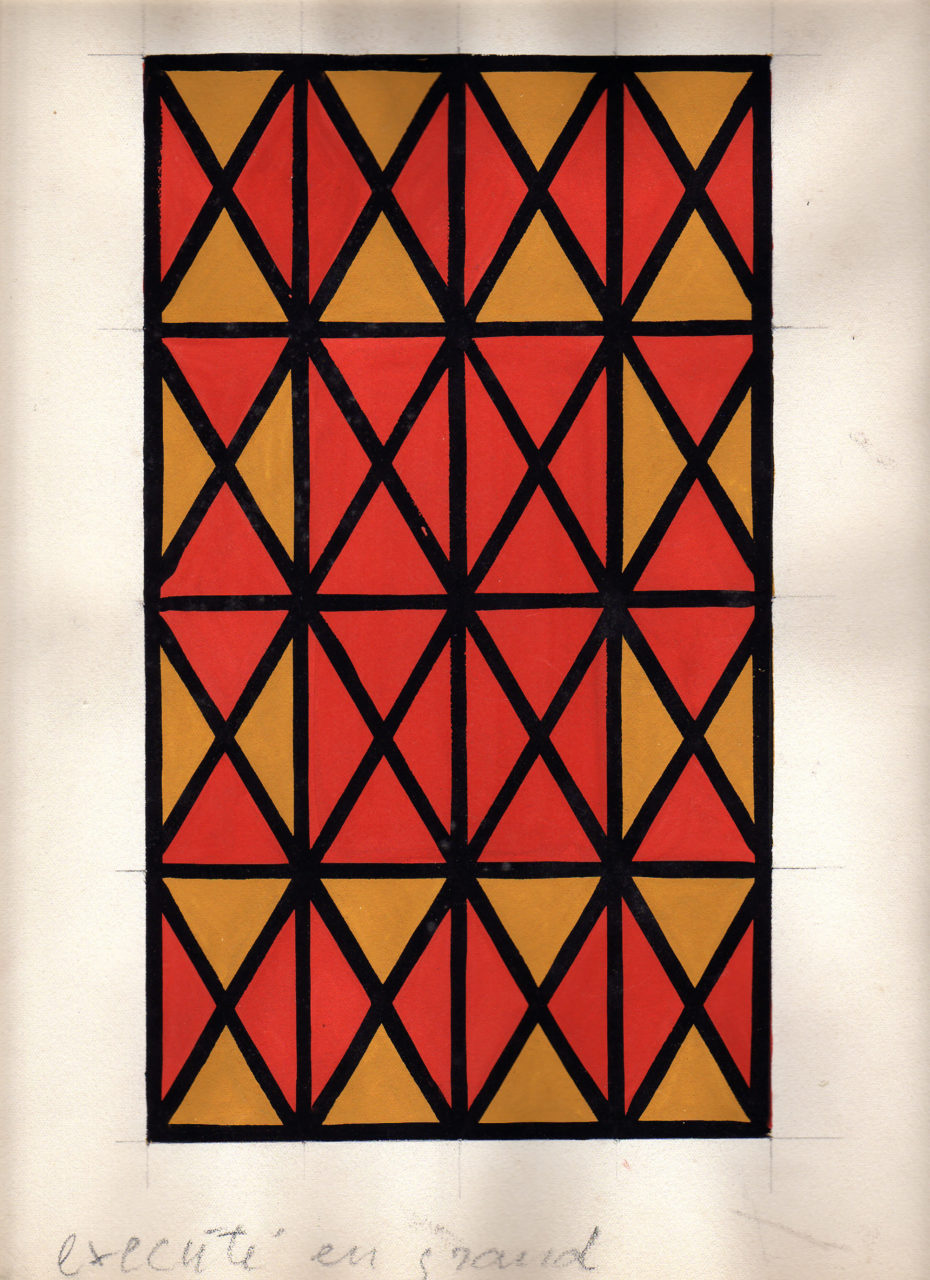
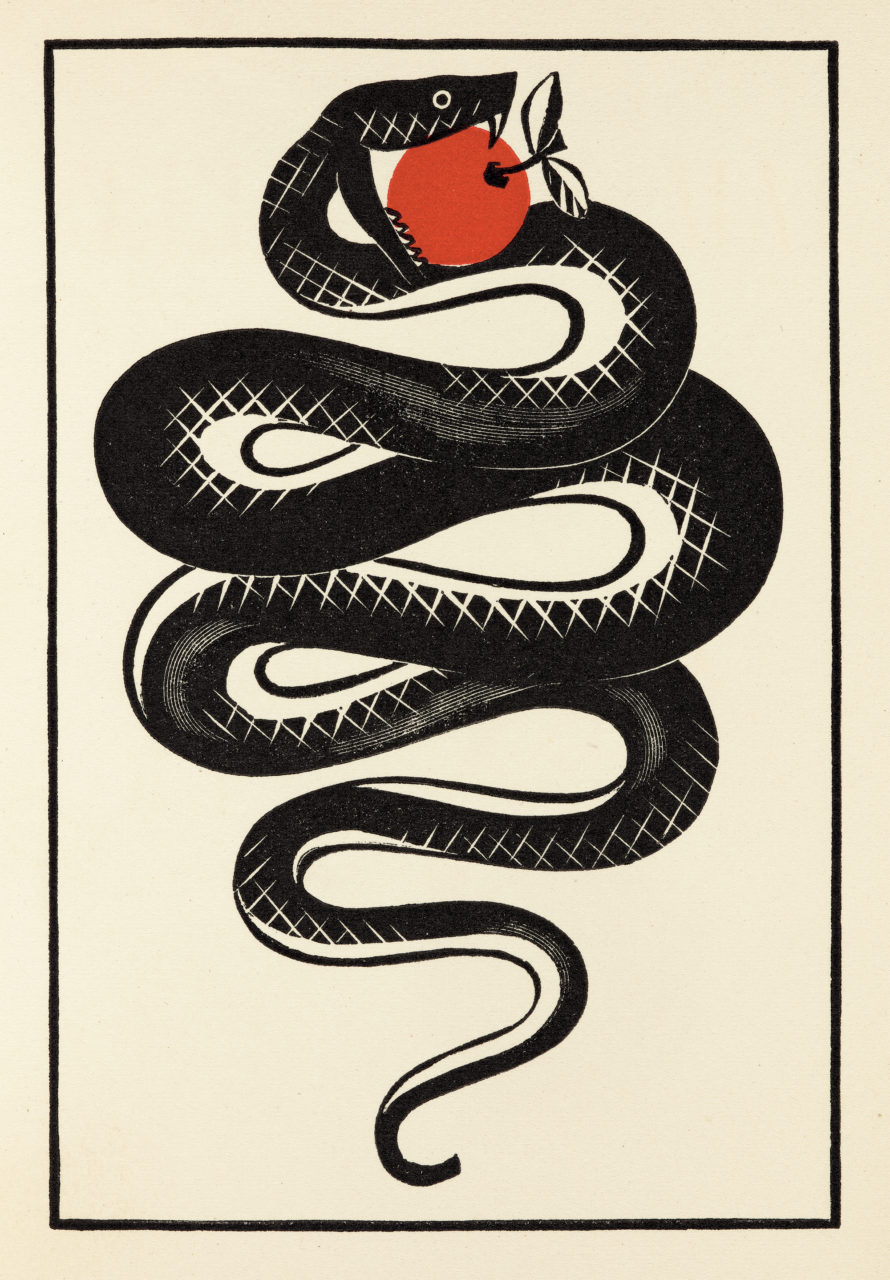
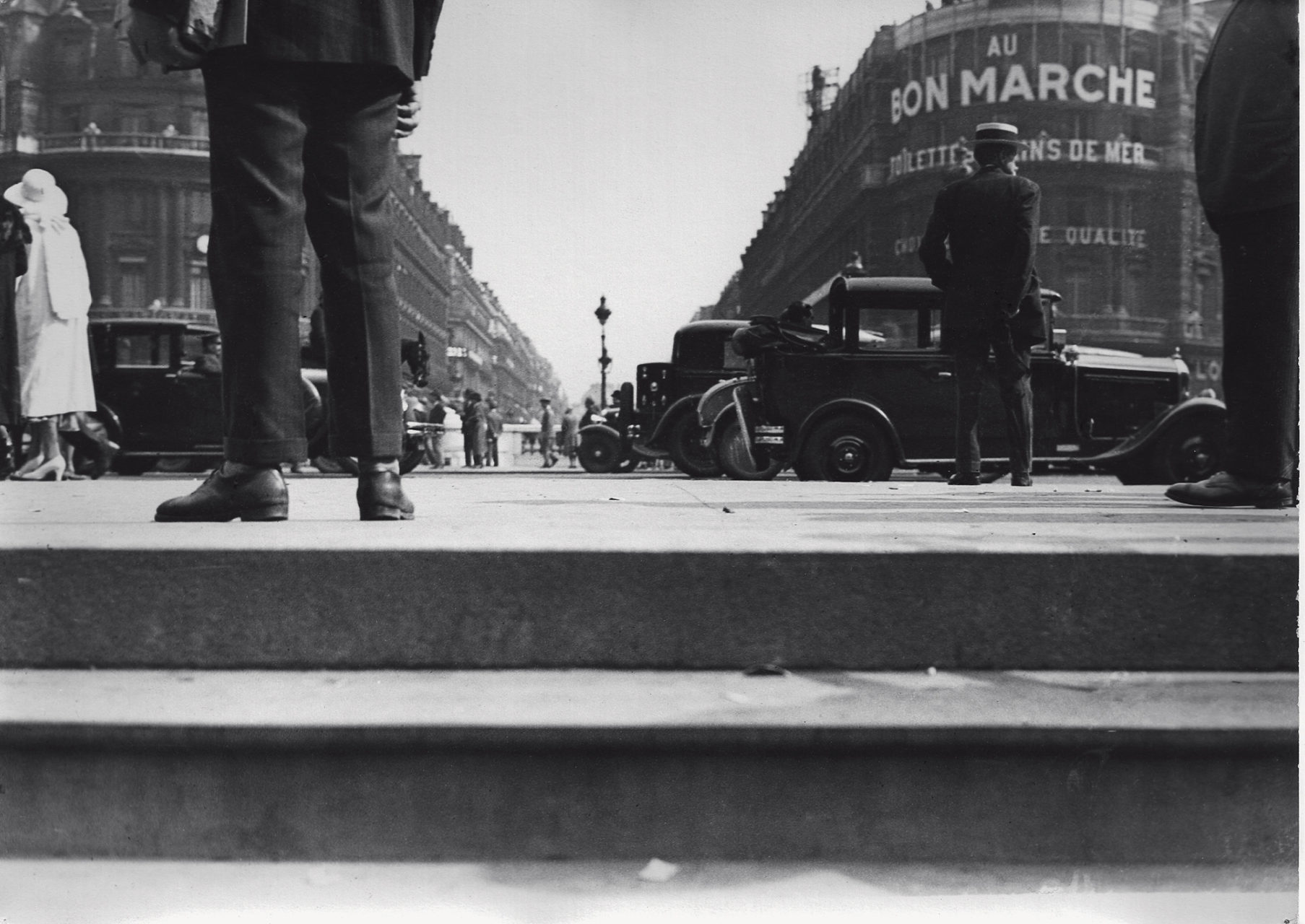
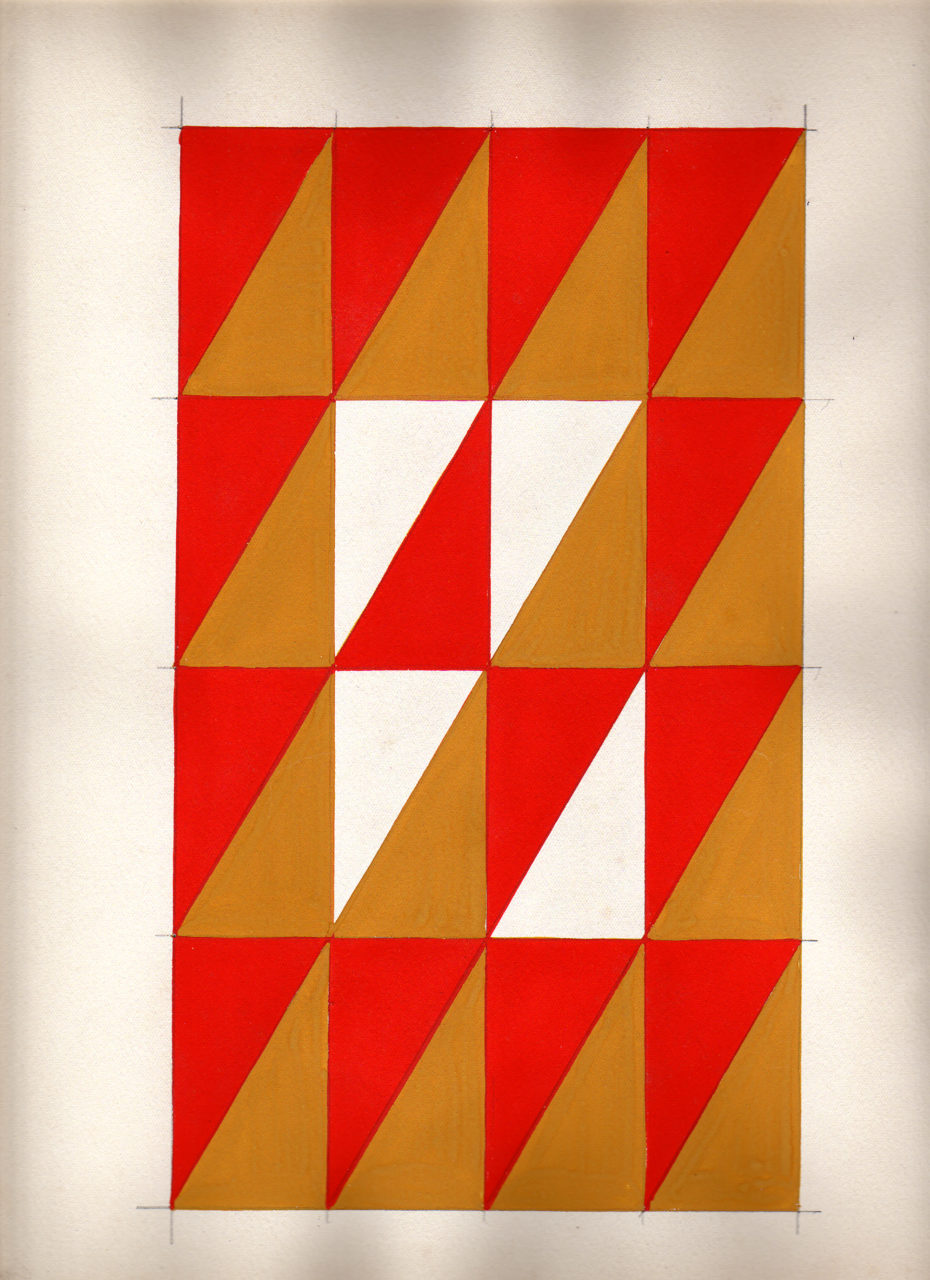
The exhibition Werner Jeker proposes brings together a series of logical sequences within the artist’s work. His insight reveals themes, methods and sensibilities present throughout Alfred Latour’s life—like a continuo line—which he himself shares. Jeker’s organization of drawings, pen strokes, photographs and advertisements becomes a work in its own right. It is a bit like Bach performing Scarlatti: the interpretation of one becomes a fully fledged work. As if the work had been waiting for that particular gaze.
October 1st 2025 to September 11 2026
Espace Alfred Latour
Place du Nord 2
1005 Lausanne
Espace Alfred Latour is open on Wednesday afternoons from 2pm to 6pm
and open by appointment.
Alfred Latour
C’est à Paris, dans les années 1910, que débute la carrière d’Alfred Latour. À la source, un attrait pour la peinture jamais démenti, un goût pour la gravure que l’artiste poussera à un niveau de virtuosité rarement égalé, et – pour compléter une palette de talents naturels – une technique de l’aquarelle qui lui assurera une reconnaissance des critiques et des collectionneurs. Aujourd’hui, on trouve les œuvres d’Alfred Latour au Centre Pompidou, au British Museum, au musée Cantini, entre autres.
News
Complicit tribute
Alfred Latour's Studio in the Footsteps of Werner Jeker
Alfred Latour's Studio in the Footsteps of Werner Jeker
From October 1, 2025 to September 11, 2026 Opening reception on Wednesday, October 1 at 6 p.m. For over 15 years, Werner Jeker has been exploring the Alfred Latour collection, delving into the diverse range and modes of expression of the artist from Eygalières. He has served as art director for three books* dedicated to… » Lire la suite